Pure Turf
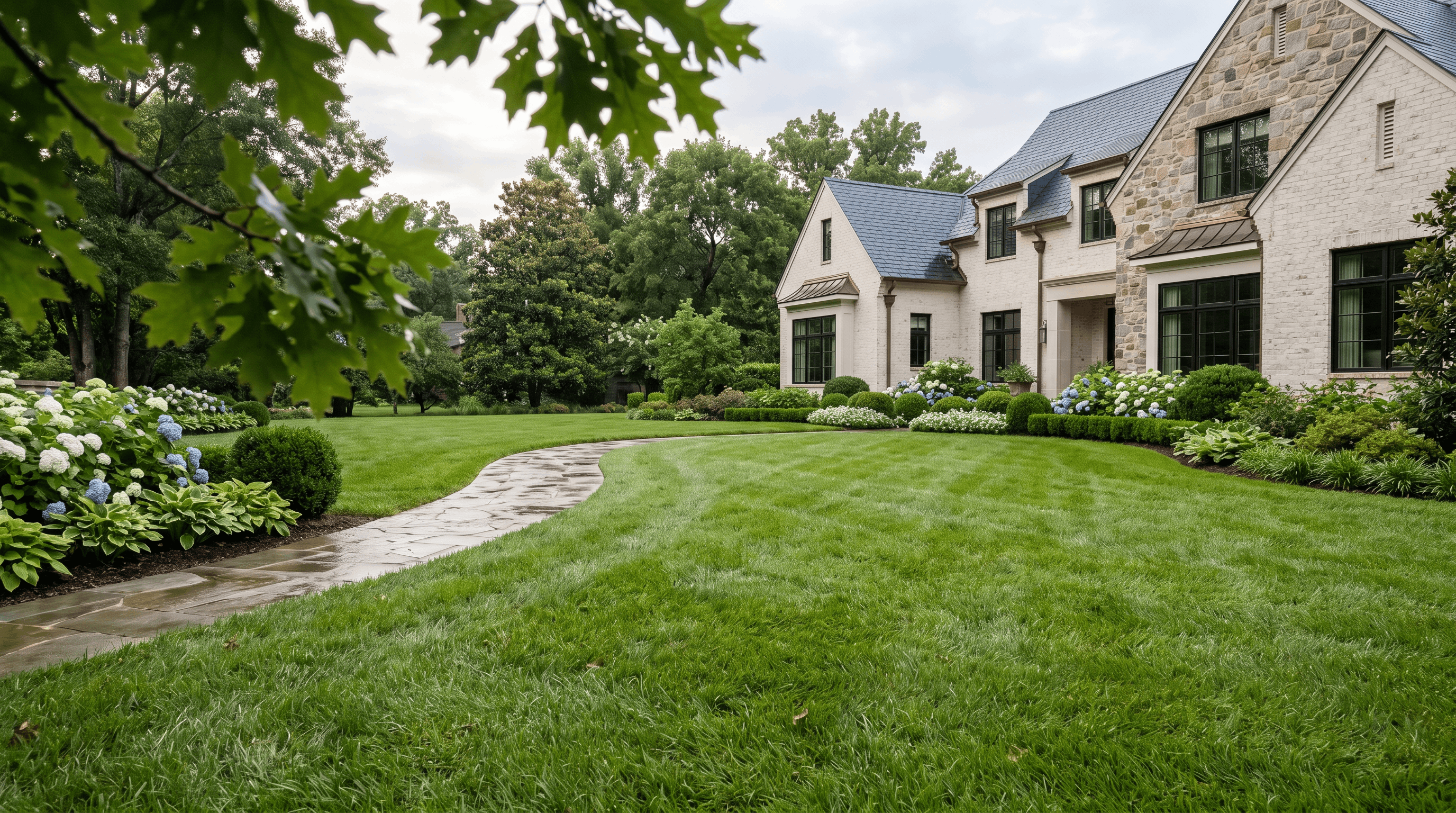
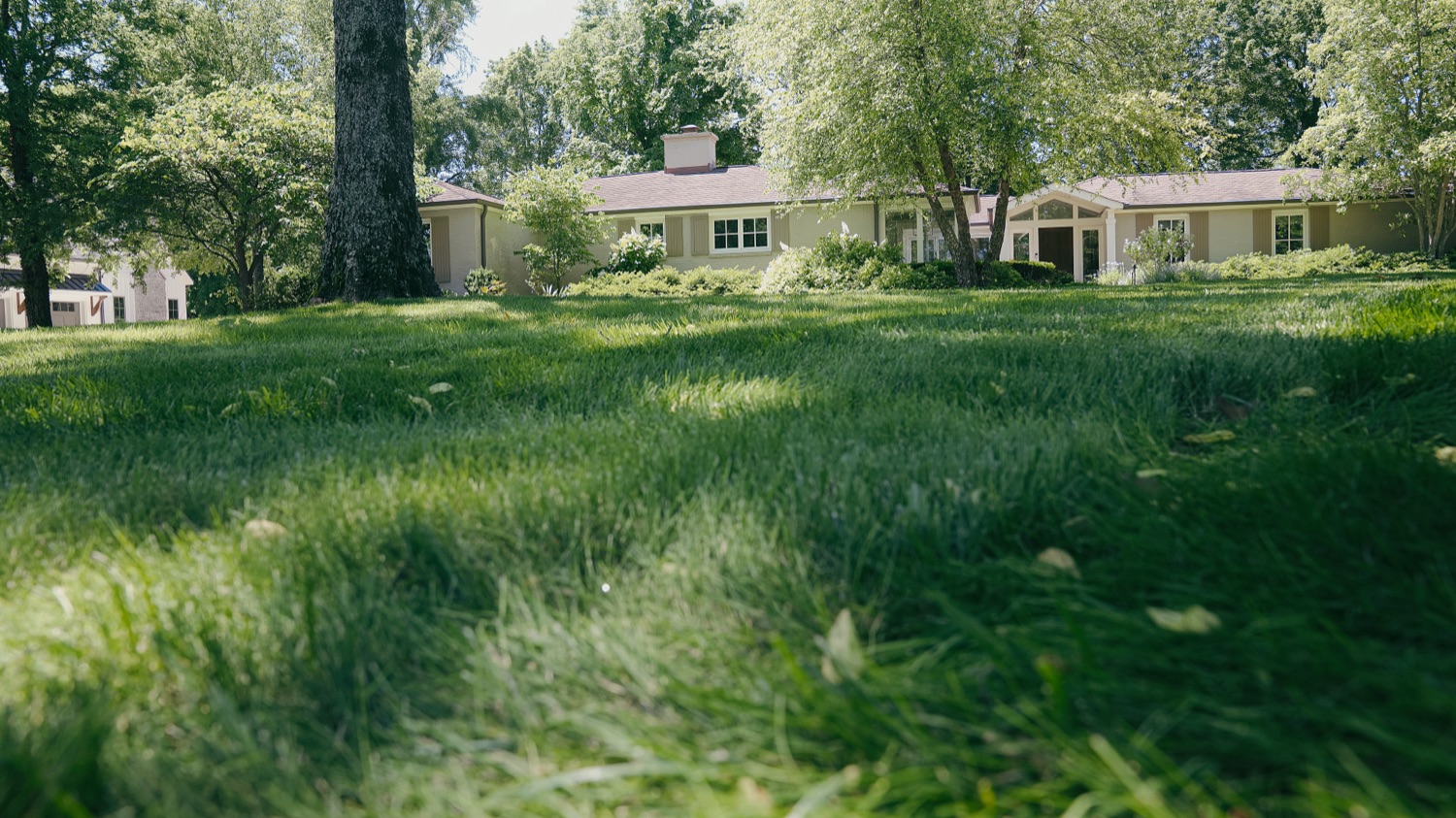
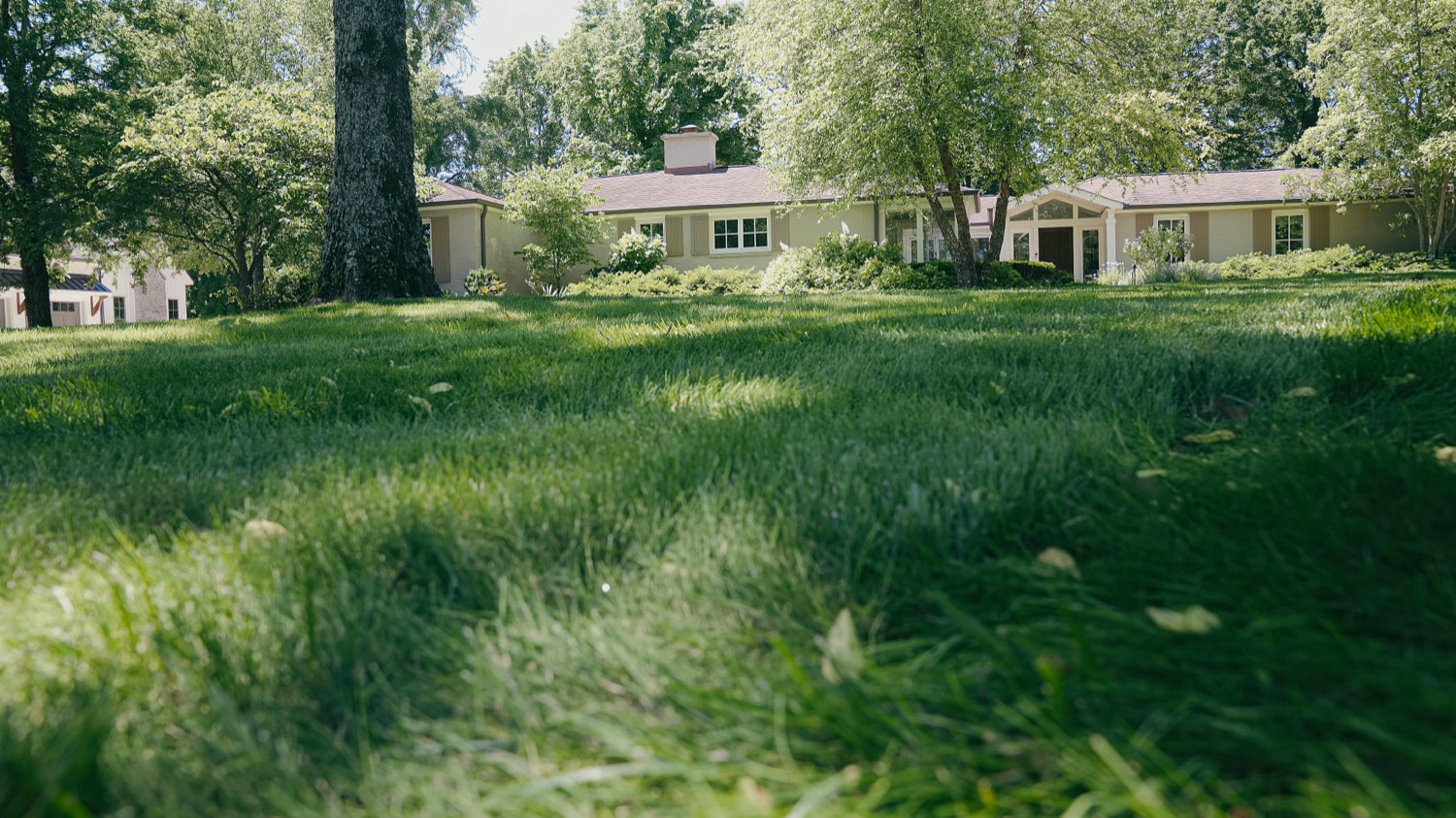
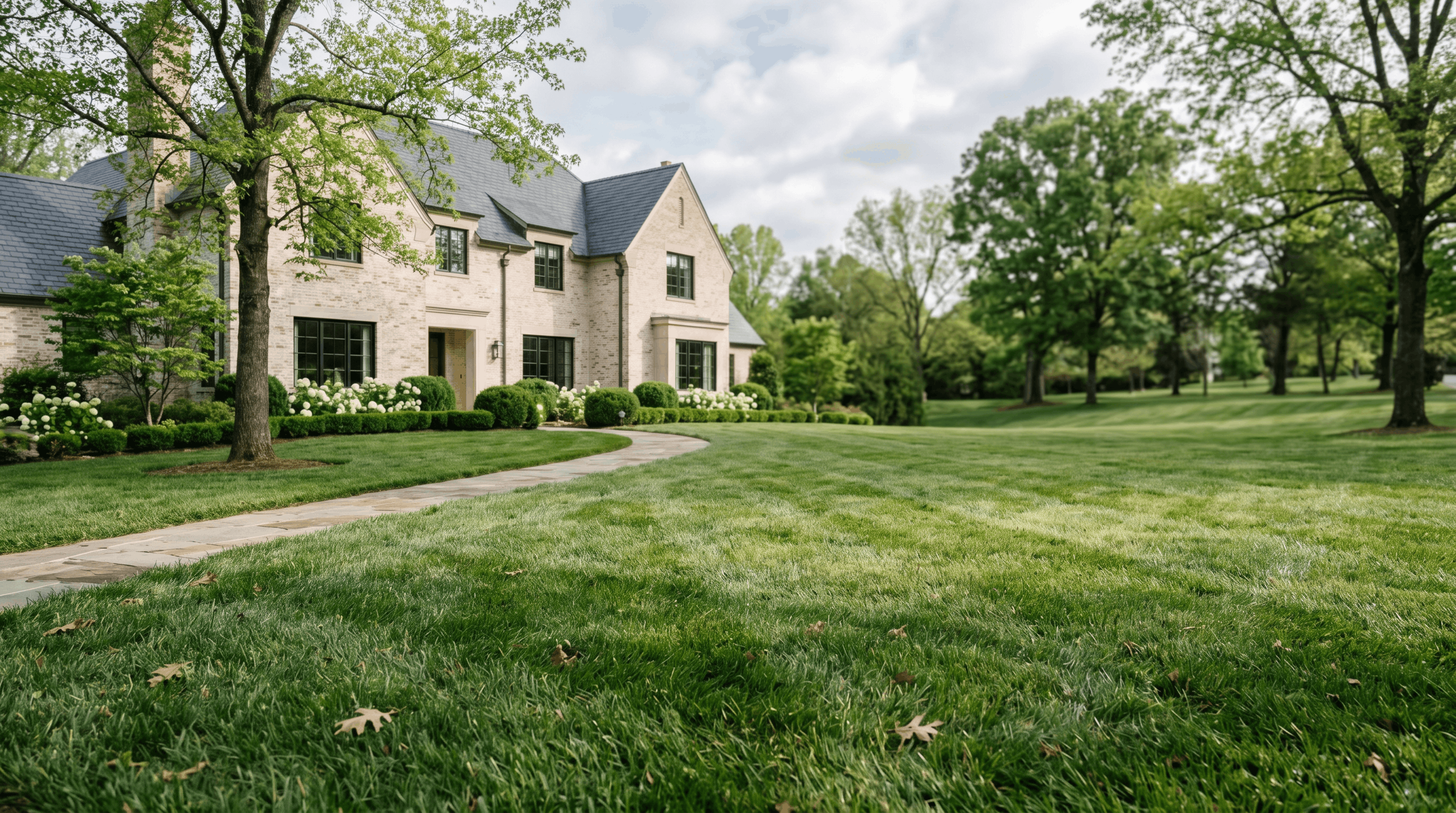
A healthy, striped Middle Tennessee lawn maintained by Pure Turf

Every question a homeowner could ask.

Pricing, scheduling, weeds, feeding, disease, mosquito, watering, mowing, safety, guarantees, and switching providers, answered straight, with no script and no fine print. If it's not here, call us and a real person will answer.

No contracts · Same-day reports · TDA licensed · 512 five-star reviews

The questions worth asking before anyone touches your lawn.

We collected the questions Middle-Tennessee homeowners actually ask us (about cost, chemicals, kids and pets, results, and what happens if they're not happy) and answered every one clearly. Pick a topic, or just start reading.

§.01

Getting started

Before anything goes on your lawn, here's how the first conversation works.

How do I get a quote?
Tell us the property address through the form or by phone at 615.785.1849. We pull the lot's measured square footage, look at the turf type and condition, and send a written quote, usually the same day, often within a couple of hours during business hours. No one has to be home for the estimate.
Does someone need to come out to my house first?
Not for the quote. We can size and price most residential properties remotely from satellite measurement and our route knowledge. For larger estates or unusual layouts we'll schedule a walk-through, but the standard lawn program needs nothing from you but the address.
Is the estimate really free, with no obligation?
Yes. The estimate is free and there's no contract attached to it. You see the price and the schedule before you commit to anything, and you can say no with zero pressure or cancellation fees.
How fast can you start?
Most new properties are on the route within one to two weeks of signing off on the plan. Timing depends on where your address falls on the existing weekly route and the season. Spring is the busiest window, so the earlier you reach out the better.
Do I have to sign a long-term contract?
No. Pure Turf programs are continuous but not locked. There's no annual agreement and no early-termination penalty. You stay because the lawn looks better, not because a contract traps you.
I just moved in and have no idea what my lawn needs. Where do I start?
That's the most common call we get. Start with the free estimate. The first visit includes a soil test and a written assessment of turf type, weed pressure, and problem areas. You don't need to diagnose anything yourself; that's our job on day one.
§.02

Pricing & billing

What it costs, how you pay, and what's included in the number.

How is pricing determined?
Mainly by measured turf square footage, the program tier you choose, and any add-ons like aeration or mosquito. Pricing is per-visit within a program, not a vague monthly lump, so you can see exactly what each application costs.
What are the program tiers?
Most lawn care is structured as Basic, Essential, and Elite. Basic covers the core fertilization and weed-control calendar. Essential adds more applications and disease coverage. Elite layers in custom granular blends, more fungicide rounds, and the most attentive schedule. We'll recommend a tier based on your turf and goals; you decide.
Do I pay per visit or all at once?
You're billed per application as the season progresses; you're not asked to prepay the whole year. Many homeowners qualify for Net 30 terms, so you have time to pay after the work is done and the report is in your inbox.
Are there any hidden fees?
No fuel surcharges, no trip fees, no surprise line items. The quote is the price. If a property genuinely needs something beyond the program (say a heavy lime correction after the soil test), we tell you first and you approve it before we do it.
Do you offer any discount for prepaying or bundling services?
We do offer savings for bundling programs (for example lawn care plus mosquito or aeration) and for prepayment in some cases. Ask when you get your quote and we'll lay out what applies to your property.
What payment methods do you accept?
Major credit cards and ACH/bank draft are the most common. Many accounts run on autopay so you never have to think about it, but that's optional; you can pay each invoice manually if you prefer.
Will my price go up over time?
Pricing can adjust year to year with material and labor costs, but we don't do mid-season surprise increases, and any annual adjustment is communicated before it takes effect, never buried in an invoice.
§.03

Programs & services

Everything Pure Turf does, and how the pieces fit together.

What services do you actually offer?
Lawn care programs (fertilization and weed control), signature core aeration and overseeding, standalone fertilization and weed control, fungicide and disease treatment, and mosquito suppression. We also handle commercial properties and large estates on tailored plans.
Do you mow my lawn?
No. Pure Turf is a turf-health company, not a mowing service. We feed, treat, and care for the grass; you keep your own mowing crew or do it yourself. The mowing-height and frequency notes we leave on each report make our applications work better, but the cut is yours to arrange.
What's the difference between the lawn care program and standalone weed & fertilization?
The full lawn care program is the season-long, soil-test-driven calendar with tiers. Standalone fertilization and weed control is the core feed-and-weed service on its own. Most homeowners want the program because the timing and add-ons are coordinated; the standalone option exists for properties that only need that piece.
Do you do landscaping, mulch, or tree and shrub care?
Our focus is the turf and pest side: lawn health, disease, and mosquito. We don't install landscaping or mulch beds. If you need ornamental tree and shrub work, we're happy to point you toward someone, but it's not a Pure Turf service.
Can I customize a plan instead of taking a standard tier?
Yes, especially on Elite and estate-level accounts. If your property has specific issues (heavy shade, a slope, recurring disease), we build the calendar around them rather than forcing you into a generic package.
Do you handle both residential and commercial properties?
Both. HOAs, office parks, and commercial campuses run on dedicated commercial plans with the documentation and scheduling those properties need. The same agronomy applies; the logistics scale up.
§.04

Scheduling & visits

When we show up, how often, and what you'll know about it.

How often will you come to my property?
Most lawn programs run seven to nine visits a year, spaced roughly four to six weeks apart and weighted toward spring and fall. Elite and disease-heavy plans see more. Mosquito runs on its own 21-day cadence from April through October.
Do I need to be home for a visit?
No. As long as the technician can access the lawn, you don't need to be there. We treat the property, log everything, and send the report; you can be at work the whole time.
Will you let me know before you come?
Yes. You get advance notification before a scheduled visit, and a same-day report after, so there are no mystery trucks in your driveway and no guessing about what was done.
What's the 'same-day report' I keep hearing about?
After every visit you get a written report the same day: what product was applied, at what rate, where, plus observations on the lawn's condition and any recommendations (mowing height, watering, problem spots). It's the paper trail most companies never give you.
My gate is usually locked. How does that work?
Tell us the gate code or your preferred access arrangement when you sign up and we'll note it on the account. If we can't get in, we'll reach out to reschedule rather than skip the property and bill you for nothing.
Can I request a specific day or time?
We route by geography to keep costs down, so we can't promise an exact hour, but we'll do our best to accommodate access needs and standing preferences. Just let the office know.
What happens if I miss or need to skip a visit?
Reach out and we'll reschedule. Skipping a timing-critical application (like the spring pre-emergent) can cost you the season, so we'll flag it if a skip will hurt results, but the call is always yours.
§.05

Weeds & feeding

The core of lawn health: stopping weeds before they start and feeding turf the right way.

When does pre-emergent need to go down?
When soil temperatures approach 55° at a four-inch depth, typically late February to mid-March in Middle Tennessee. Once crabgrass germinates, pre-emergent can't undo it for that year. We aim to have every program account treated before the window closes around February 20.
Why do I still see a few weeds if I'm on a program?
No program is a force field. Pre-emergent blocks most germination, post-emergent knocks down what breaks through, but a handful of weeds in a long season is normal, and we spot-treat them on the next visit. If you're seeing a carpet of weeds, call us; that's not normal and we'll fix it.
What fertilizer do you use?
Polymer-coated slow-release nitrogen as the base, shifting to potassium-heavier blends in summer and a winterizer in late fall. Elite gets custom granular blends. We avoid cheap liquid feeds that flush the lawn green for a week and then burn out.
Why slow-release instead of a quick green-up?
Slow-release means the grass pulls nitrogen as it needs it over weeks, so you get steady color and root strength instead of a growth spurt that just means more mowing and a thatch problem. The lawn looks better longer and is healthier underneath.
Can you get rid of a specific weed like clover, nutsedge, or wild violet?
Yes, though some are stubborn. Nutsedge and wild violet in particular need targeted products and more than one pass. Tell us what you're seeing and we'll put the right material on it; we log every spot-treatment so we can track whether it's working.
Will weed control kill my whole lawn or just the weeds?
Just the weeds. We use selective herbicides that target broadleaf and grassy weeds without harming your turf when applied correctly by a licensed technician. That precision is exactly why it's worth having a pro do it.
I have warm-season grass (Bermuda or Zoysia), not fescue. Does that change things?
Completely different calendar. Warm-season turf gets heavier nitrogen in summer, skips the fall feed cool-season grass needs, and has its own weed timing. We tag your turf type on day one so you get the right schedule, not the default fescue one.
§.06

Aeration & seeding

How thin, compacted, or tired lawns get rebuilt from the soil up.

What is core aeration and why do I need it?
Core aeration pulls thousands of small soil plugs out of the lawn, relieving compaction so air, water, and nutrients reach the roots. Middle-Tennessee clay compacts hard; without aeration even a well-fed lawn stays thin. It's one of the highest-impact things you can do for cool-season turf.
When is the right time to aerate and overseed?
Early fall, roughly September into October, for cool-season grasses like fescue. The soil is still warm enough to germinate seed but cool enough that new grass establishes before winter. Spring seeding fights heat and pre-emergent, so fall is strongly preferred.
Should aeration and overseeding be done together?
Yes, that's the point of doing them as one service. Aeration opens holes that give the new seed soil contact to germinate, instead of seed sitting on the surface for the birds. Done together, the seed-to-soil contact is dramatically better.
What seed do you use?
A Middle-Tennessee cultivar blend chosen for our climate, disease resistance, and color, not a bargain big-box mix. The goal is a stand that holds up to summer and resists the diseases our region gets.
How long until I see new grass after seeding?
Germination usually starts in one to three weeks depending on temperature and watering, with a fuller fill-in over the following month or two. The single biggest variable is whether you keep the seed consistently moist in the first few weeks.
Do I need to water differently after overseeding?
Yes. This is the one time watering really matters. New seed needs light, frequent watering to stay moist (often daily or twice daily for short periods) until it germinates and establishes. We leave specific instructions on the report after the service.
§.07

Disease & fungus

Brown patches and thinning spots in summer are usually fungal, and preventable.

Why does my lawn get brown patches every summer?
Almost always fungal disease (brown patch or dollar spot) that thrives in Middle-Tennessee heat and humidity, especially on fescue. It looks like drought but watering more actually makes it worse. The fix is preventive fungicide, not more water.
What diseases do you treat?
The big regional ones: brown patch, dollar spot, and spring dead spot, plus the occasional others that show up under pressure. We time applications to disease pressure and weather, not to damage you can already see.
Is fungicide preventive or curative?
Both, but prevention wins. Fungicide applied before and during high-pressure conditions keeps disease from taking hold; once a lawn is badly scarred, fungicide stops the spread but the recovery takes time and good cultural practices. Getting ahead of it is far cheaper than recovering from it.
How many fungicide applications do I need?
Depends on the tier and the summer. Essential typically includes around three preventive applications and Elite around six, scheduled through the high-pressure window. A brutal, wet summer may warrant more; we'll advise.
Can I prevent disease without chemicals, just by watering and mowing right?
Good cultural practices help a lot: water deeply in the early morning, never in the evening, mow high with a sharp blade, and don't over-fertilize with quick-release nitrogen. But in a Tennessee summer, fescue under real disease pressure usually needs fungicide too. Culture reduces the need; it rarely eliminates it.
§.08

Mosquito & pests

Getting your yard back in the evenings, safely.

How does mosquito suppression work?
We treat the shaded, humid harborage areas where mosquitoes rest during the day (under shrubs, along tree lines, in dense plantings) on a recurring cycle. Knocking down the resting adults and treating breeding spots dramatically cuts the population in your yard.
How long does a mosquito treatment last?
Each treatment holds for about three weeks, which is why the program runs on a 21-day cadence from roughly April through October, the seven-month mosquito season here. Consistency through the season is what keeps the population suppressed.
Is the mosquito treatment safe for my pets and kids?
Yes, once it's dry. The products are EPA-registered and applied by licensed technicians. We ask that people and pets stay off the treated areas until they dry, usually about 30 minutes, after which the yard is safe for normal use.
Will it kill bees and other good insects?
We target mosquito harborage, not flowering plants where pollinators forage, and we avoid treating blooms directly. Responsible application timing and placement minimizes impact on bees and beneficial insects.
Can you treat for other pests like fleas or ticks?
The mosquito program also suppresses ticks and fleas in the treated yard areas, since they share much of the same shaded, humid harborage. If pests are your main concern, mention it and we'll focus the treatment accordingly.
§.09

Watering & mowing

The part that's on you, and the habits that make our work pay off.

How should I be watering my lawn?
Deeply and infrequently: about one inch per week total, in one or two long sessions rather than daily sprinkles, and always in the early morning. Deep watering drives roots down; light evening watering keeps the lawn wet overnight and invites disease.
How short should I cut my grass?
For fescue, keep it tall, around 3.5 to 4 inches, especially in summer. Tall grass shades the soil, holds moisture, and crowds out weeds. Scalping the lawn short is one of the fastest ways to invite crabgrass and disease. Warm-season grasses are cut lower.
Does mowing height really affect weeds and disease?
Significantly. Mowing too low stresses the turf, exposes soil for weed seeds to germinate, and weakens the lawn's ability to fight disease. A sharp blade and the right height do more for weed control than people realize; it's why we note it on every report.
Should I bag my clippings or leave them?
Generally leave them (mulch them). Clippings return nitrogen and organic matter to the soil and don't cause thatch when you mow regularly. The exception is when the lawn is actively diseased or you've let it get long; then bagging helps avoid spreading problems.
Can I mow right after a treatment?
Wait until the application has dried and, for granular products, ideally until after it's been watered in; give it 24 to 48 hours. Mowing too soon can remove or redistribute product before it does its job. The report will note anything specific to that visit.
How soon can I water after an application?
It depends on the product. Granular fertilizer and pre-emergent generally want to be watered in within a day or two to activate. Weed control often needs time to absorb into the leaf first, usually 24 hours before watering or rain. We spell out the timing on each visit's report.
§.10

Pets, kids & safety

What's being applied, and how to stay safe around it.

Are your treatments safe for children and pets?
Yes, when used as directed. Every product is EPA-registered and applied by technicians licensed through the Tennessee Department of Agriculture. The standard guidance is to keep kids and pets off the treated area until it's dry, about 30 minutes, after which normal use is fine.
How long should we stay off the lawn after a treatment?
Until it dries, roughly 30 minutes for most applications. For granular products that get watered in, there's no meaningful wait once it's down. The report notes any product-specific re-entry interval.
Are the products you use organic?
We use professional EPA-registered products selected for effectiveness and safety, applied at controlled rates by licensed pros, which is generally safer than the concentrated consumer products homeowners over-apply. If reduced-input or specific-sensitivity options matter to you, tell us and we'll discuss what's possible for your property.
Someone in my home has chemical sensitivities. Can you accommodate that?
Tell us before we start and we'll talk through product choices, timing, and notification so you can plan around applications. We'd rather build the plan around your needs up front than surprise you.
Are your technicians licensed and insured?
Yes. Applications are performed by technicians licensed through the Tennessee Department of Agriculture, and the company carries liability insurance. The same-day report documents exactly what licensed-applicator work was done on your property.
§.11

Results & guarantee

What to expect, how long it takes, and what happens if it doesn't work.

How long until my lawn actually looks better?
You'll often see early improvement (better color, fewer weeds) within the first few weeks, but a genuinely transformed lawn is a full-season project. Turf is biology, not paint. The first year fixes the soil and the obvious problems; the lawn keeps compounding from there.
What if I'm not happy with the results?
Call us. We'll come back out, reassess, and make it right, re-treating problem areas between scheduled visits at no extra charge when an application didn't deliver. Our reputation runs on results, not on locking you into a contract.
Do you guarantee my lawn will be weed-free?
No honest company guarantees a perfect, zero-weed lawn; weather and biology don't cooperate that cleanly. What we stand behind is the program working: dramatically fewer weeds, healthier turf, and free return visits to spot-treat what slips through between applications.
What makes Pure Turf different from a national chain?
You talk to local people who know Middle-Tennessee soil and disease. You get a same-day report after every visit, not a door hanger. Timing follows soil temperature, not a national route calendar. And there's no contract holding you in place; the lawn keeps you, not the paperwork.
What results can I realistically expect in year one versus year two?
Year one is about correction: fixing soil pH, knocking back established weeds, getting the feeding and disease timing right, and filling thin areas with fall seed. Year two is where a well-maintained lawn really shows: denser turf, fewer weeds breaking through, and far less recovery work because the problems were solved, not just patched.
§.12

Switching & cancelling

Coming from another company, or thinking about leaving; both are easy.

I'm mid-season with another company. Can I switch now?
Yes. We'll review what's already been applied this year, catch up anything that was missed (a skipped pre-emergent, an overdue feeding) and pick up the calendar from where you are. You don't have to wait until next spring to switch.
Will switching mid-season mess up my lawn's timing?
Not if it's handled right. On day one we assess what's been done and build a bridge schedule so nothing critical gets double-applied or missed. Most mid-season switches finish the year in better shape than they started.
How do I cancel if I need to?
Call or email the office. There's no contract, no early-termination fee, and no hoops. We'd obviously rather fix whatever's wrong first, but if you want to stop, you can stop. No penalty.
If I cancel, will you charge me for the rest of the year?
No. Because there's no annual contract, you're never on the hook for visits that haven't happened. You pay for the applications that were done, and that's it.
What areas do you serve?
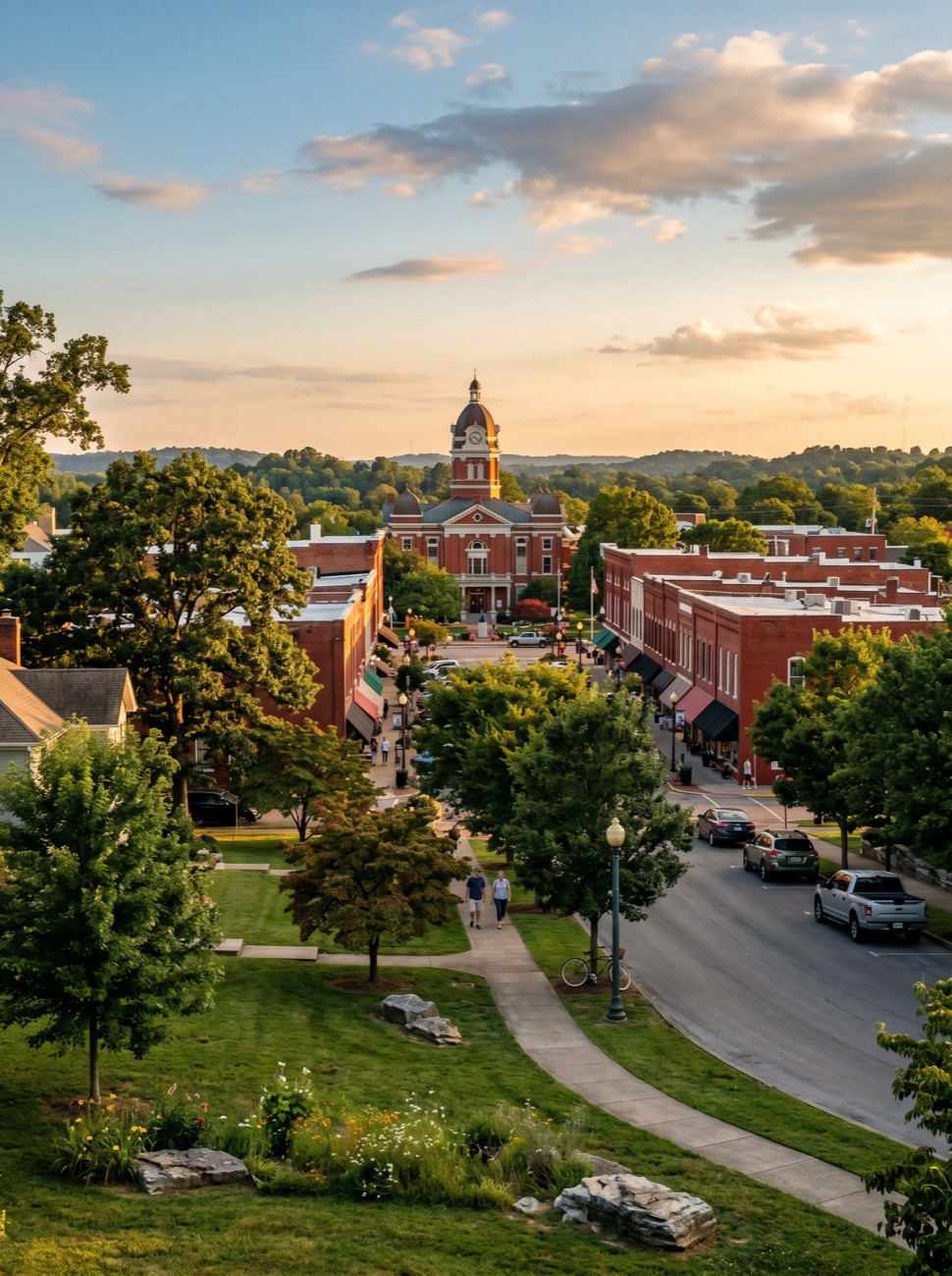
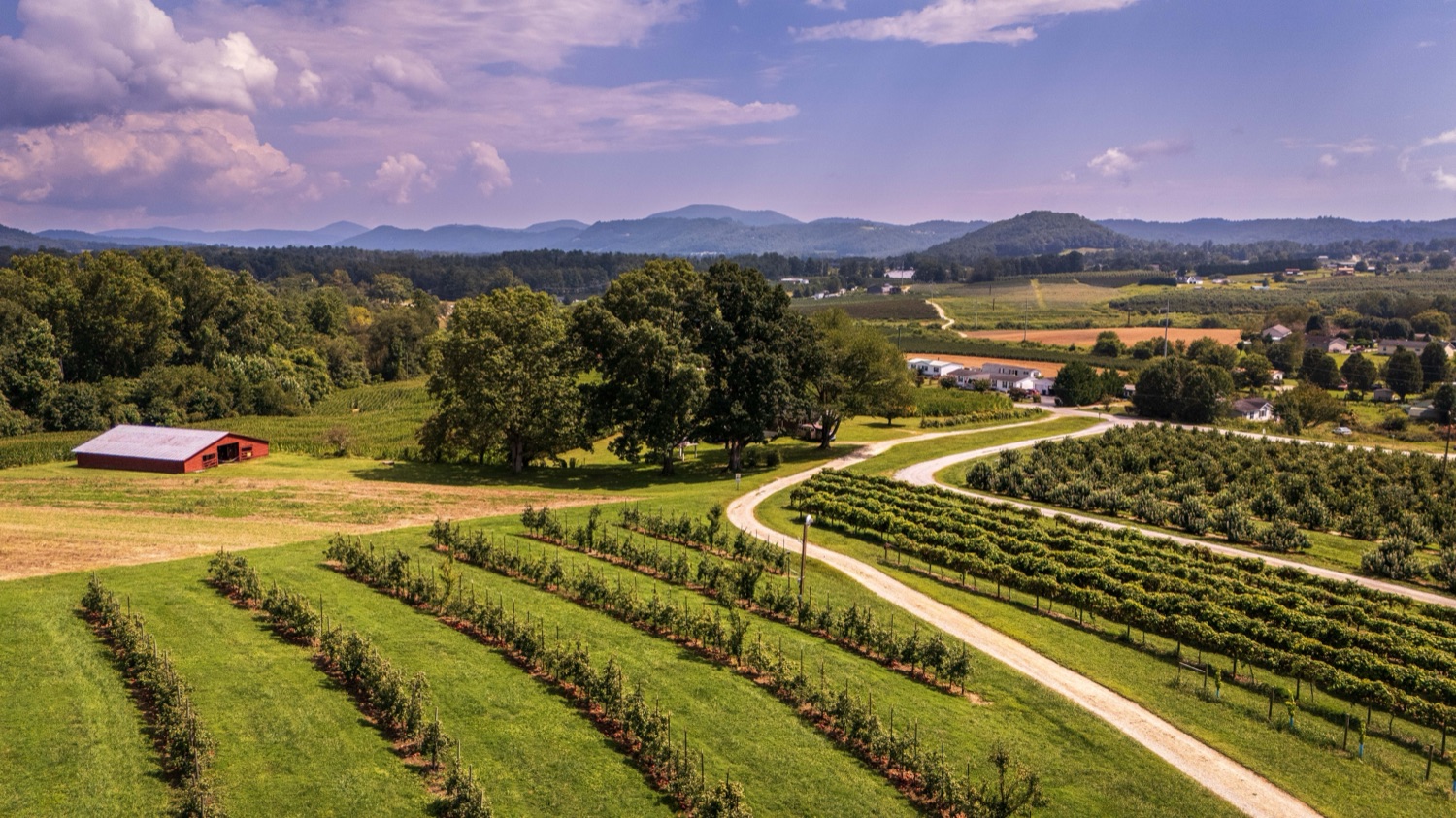
Middle Tennessee: Davidson, Williamson, Rutherford, and Sumner counties, including Nashville, Franklin, Brentwood, Murfreesboro, Hendersonville, Mt. Juliet, and the surrounding communities. If you're not sure your address is in range, just ask.
How do I reach a real person with a question?
Call 615.785.1849. Most calls are answered live by someone local, not a call center or a phone tree. You can also email [email protected] or reply to any visit report. We answer questions about your specific lawn, not from a script.
§.13  Why homeowners switch

“I had a hundred questions before signing up and they actually answered all of them, no script, no pressure. That alone told me they were different.”

Homeowner
Brentwood, TN
Also said
  • “The same-day report after every visit is the thing I tell everyone about. I always know exactly what went on my lawn and why.”

    Homeowner / Franklin, TN
  • “Switched mid-summer from a national chain. They caught up the stuff that had been skipped and the lawn was noticeably better by fall.”

    Homeowner / Murfreesboro, TN
  • “No contract was the reason I tried them, and the results are the reason I stayed. Three years now.”


    Homeowner / Mt. Juliet, TN
§.14  Service area

Where we work, five counties.

Rutherford
County
Sumner
County
Wilson
County
§.15  Still have a question?

The best answer is a real conversation.

Tell us where the property is and what's bothering you about the lawn. We'll soil-test on day one, build the plan around your answers, and put it all in writing, no contract required.

Or call 615.785.1849
Pure Turf · No obligation
Get your free estimate

Tell us about your property and we'll put together a custom plan. No commitment, no contracts.

Please fill out all required fields and check the consent boxes.
We'll be in touch soon.

Thanks for requesting a free estimate. A Pure Turf team member will reach out within one business day to discuss your property plan.

Or call us now: 615.785.1849
Call Now